Fat Loss & Weight Management Research | Boosted Labs
Research Reference

Fat Loss & Weight
Management Research

A research compendium on peptides studied for lipolysis, appetite regulation, metabolic efficiency, and body composition — supported by peer-reviewed literature.

7+
Fat Loss Compounds
3
Mechanisms of Action
≥98%
Purity Standard
100%
Batch Tested

How Research Compounds Target Fat Loss

Fat loss peptides operate through several distinct mechanisms — understanding them helps design more targeted research protocols.

Hypothalamic Signalling

GLP-1 agonists act centrally to reduce appetite and caloric intake

Direct Lipolysis

Compounds like HGH Frag stimulate fat breakdown without GH receptor activation

Mitochondrial Efficiency

MOTS-c and SS-31 improve cellular energy metabolism and fat oxidation

Hormonal Modulation

GH secretagogues shift body composition via IGF-1 and lipolysis pathways

Compounds Studied for Fat Loss & Body Composition

Each compound is listed with its proposed mechanism of action, research rationale, and relevant study context. All products are ≥98% purity, HPLC verified.

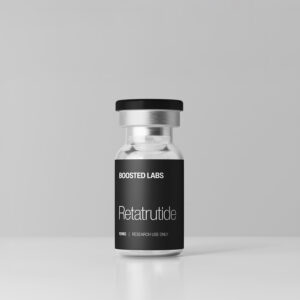
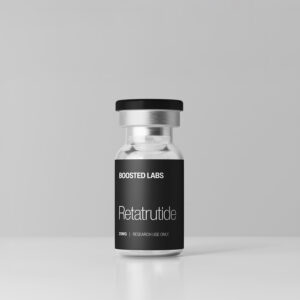
Retatrutide
Weight Loss
Why It’s Used
A next-generation triple receptor agonist (GLP-1, GIP, and glucagon). Retatrutide combines the appetite-suppressing effects of GLP-1, the insulin-potentiating effects of GIP, and the direct lipolytic activity of glucagon — making it the most multi-modal fat loss compound currently under research.
Research Basis: Phase 2 clinical trials published in NEJM (2023) showed up to 24% body weight reduction over 48 weeks — exceeding any single-mechanism GLP-1 agonist. Triple agonism creates complementary, non-overlapping pathways for energy expenditure.
Semaglutide
Weight Loss
Why It’s Used
The most extensively studied GLP-1 receptor agonist. Semaglutide acts on hypothalamic GLP-1 receptors to reduce hunger signalling and delay gastric emptying, producing significant caloric deficit without voluntary restriction.
Research Basis: STEP trials demonstrated ~15% mean body weight reduction over 68 weeks in non-diabetic adults. Now approved in multiple countries as a chronic weight management treatment (Wegovy®) — one of the most evidence-backed anti-obesity compounds in research.
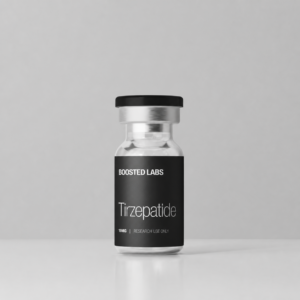
Tirzepatide
Weight Loss
Why It’s Used
A dual GLP-1/GIP agonist that builds on semaglutide’s mechanism by adding GIP receptor activity. The GIP pathway enhances insulin secretion, improves fat cell metabolism, and potentiates the central appetite effects of GLP-1 through an additive mechanism.
Research Basis: SURMOUNT trials reported up to 22.5% body weight reduction at the highest dose — surpassing all prior single-agonist results at the time of publication. Dual agonism produces superior outcomes vs GLP-1 alone across multiple metabolic markers.
HGH Fragment 176-191
Weight Loss
Why It’s Used
A truncated sequence of the Growth Hormone molecule corresponding to the fat-regulating region (amino acids 176–191). Critically, it retains GH’s lipolytic activity but lacks the growth-promoting and insulin-resistance-causing effects of full GH.
Research Basis: Preclinical studies demonstrate HGH Frag stimulates lipolysis ~12× more than full growth hormone in adipose tissue without affecting IGF-1 levels or blood glucose. Studied specifically for visceral and subcutaneous fat reduction.
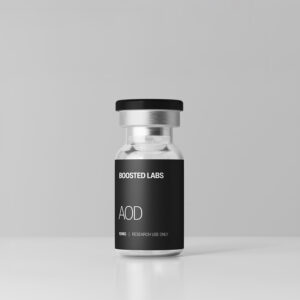
AOD-9604
Metabolic
Why It’s Used
Originally developed as an anti-obesity drug, AOD-9604 mimics the way natural GH regulates fat metabolism. It stimulates lipolysis (fat breakdown) and inhibits lipogenesis (fat synthesis) without stimulating cell growth or affecting carbohydrate metabolism.
Research Basis: Studied in a TGA-approved Phase 2b trial in Australia. Research confirms it reduces body fat and improves lipid profiles without negatively affecting insulin sensitivity or glucose tolerance — a key differentiator from full GH.
MOTS-c
Metabolic
Why It’s Used
A mitochondrial-derived peptide that activates AMPK — the master regulator of cellular energy. MOTS-c improves insulin sensitivity, enhances fat oxidation, and has been shown to reduce obesity in diet-induced models through metabolic reprogramming rather than appetite suppression.
Research Basis: Published in Cell Metabolism (2015, 2021), MOTS-c administration reverses diet-induced insulin resistance, increases fat oxidation by ~40% in skeletal muscle, and replicates key metabolic benefits of exercise at the cellular level.
CJC-1295 + Ipamorelin
Hormonal Support
Why It’s Used
When combined, these two GH secretagogues produce synergistic GH pulses that significantly shift body composition — increasing lean mass and reducing adipose tissue, particularly around the abdomen. The combination avoids cortisol elevation associated with other GH releasers.
Research Basis: Combined GH secretagogue therapy has demonstrated significant improvements in lean body mass and reductions in total body fat (particularly visceral) in multiple human clinical studies. Often studied alongside caloric protocols in body composition research.
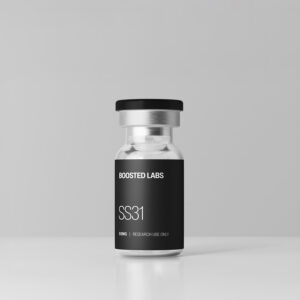
SS-31 (Elamipretide)
Longevity
Why It’s Used
A mitochondria-targeted antioxidant that concentrates within the inner mitochondrial membrane. By reducing oxidative stress at the mitochondrial level, SS-31 improves energy efficiency and has been studied for its ability to restore metabolic function in metabolically compromised tissue.
Research Basis: SS-31 has shown restoration of mitochondrial function in aged and obese animal models, improving substrate oxidation efficiency and reducing the metabolic inflexibility commonly associated with overweight and insulin resistance.

Compound Comparison: Mechanism & Evidence Level

CompoundPrimary MechanismEvidence LevelKey Advantage
RetatrutideGLP-1 + GIP + Glucagon agonistPhase 2 ClinicalTriple-pathway — highest weight loss observed
SemaglutideGLP-1 receptor agonistFDA/TGA ApprovedMost evidence-heavy; regulatory approved
TirzepatideGLP-1 + GIP dual agonistFDA ApprovedDual agonism outperforms semaglutide in trials
HGH Frag 176-191Selective lipolysis (GH region)Preclinical + Phase 2Direct fat burning without GH side effects
AOD-9604Lipolysis / lipogenesis inhibitionPhase 2b (AUS)TGA-studied; no glucose metabolism impact
MOTS-cAMPK activation / mitochondrialPreclinical + EmergingExercise-mimetic metabolic reprogramming
CJC-1295 + IpaGH pulse amplificationHuman ClinicalBody composition shift without cortisol spike
SS-31Mitochondrial antioxidantPreclinical + Phase 2Restores metabolic flexibility in aged tissue

Research Protocol Approaches

Common protocol frameworks used in the research community. These are research design suggestions, not medical recommendations.

1

Appetite Regulation Focus

Explore central appetite suppression using GLP-1 pathway agonists. Track caloric intake, satiety markers, and gastric emptying rate.

SemaglutideTirzepatideRetatrutide
2

Direct Lipolysis Protocol

Measure fat cell mobilisation directly using compounds that act on adipose tissue without the risks of full GH or metabolic disruption.

HGH Frag 176-191AOD-9604
3

Metabolic Efficiency Protocol

Target mitochondrial function and insulin sensitivity. Useful when studying obesity-related metabolic dysfunction and reversal.

MOTS-cSS-31
4

Body Composition Protocol

Combine GH support with metabolic modulation to examine simultaneous lean mass gain and fat loss over a structured cycle.

CJC-1295IpamorelinMOTS-c

Ready to Explore Fat Loss Compounds?

View our full interactive research guide with per-compound dosage details, cycle information, and research notes for all 21 peptides.

Also Explore

Related Research Articles

In-depth per-compound research pages for all fat loss and metabolic peptides covered on this page.

View All 21 Research Articles
Boosted Labs QR Code

Scan to access the full Boosted Labs compound reference — View Usage Guide →

All Boosted Labs compounds are sold strictly for in-vitro research purposes only. Not for human consumption or veterinary use. Always consult peer-reviewed literature before designing any research protocol.